The Black Women’s Diaries Project (BWDP) recovers diaries written by African American women between 1854 and 1903, and makes them accessible to a wide audience.
- 1854–1903diaries by African American women
- A dozendiaries from collections across the country
- Nov 2026launched with Florence Stanton Barber’s 1902 diary
01The Archive
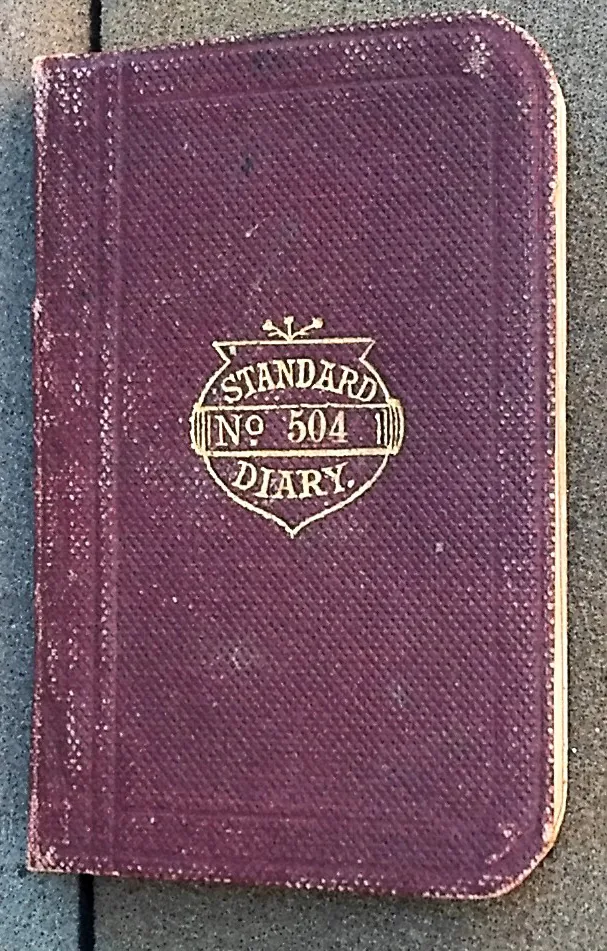
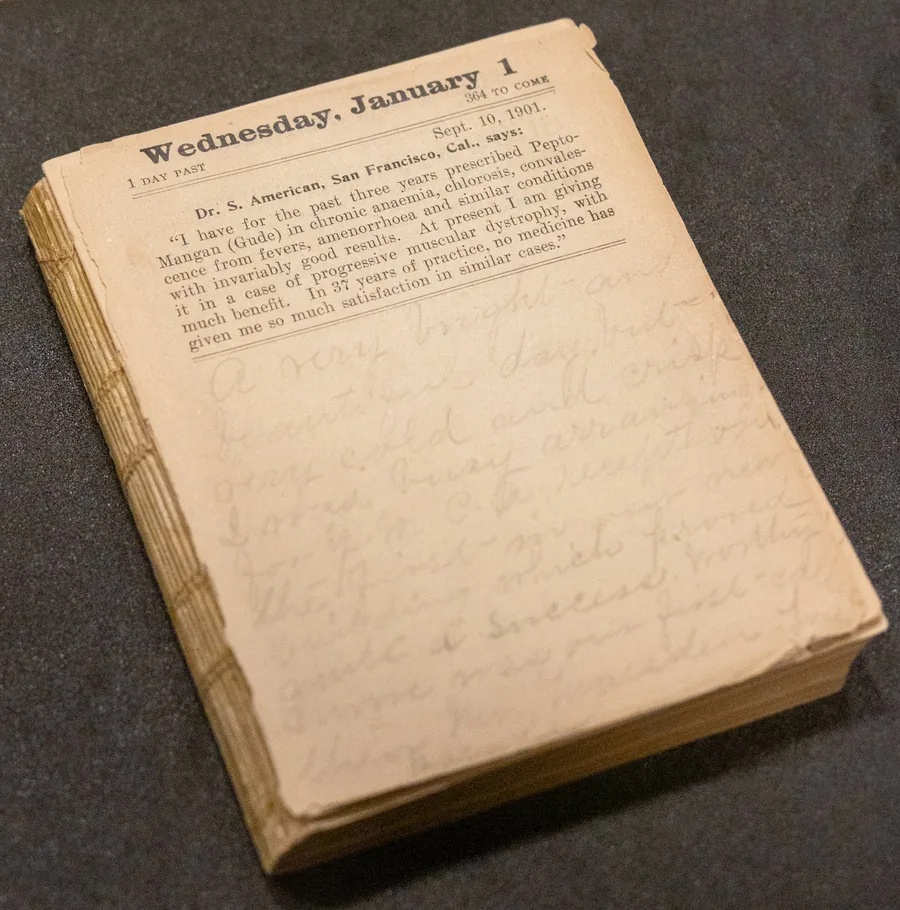
Preserved in libraries and museums, these precious manuscripts provide new perspectives on nineteenth-century Black life that place the struggle for Black civil rights alongside the rhythms of family life and domestic routines. Taken as a whole, the diaries document Black women’s many roles in the everyday labor of imagining a future in the post-emancipation United States. These diaries also represent Black women’s engagement with a genre that is generally only studied via white women’s manuscripts. The BWDP brings approximately a dozen diaries, held in collections across the country, together as a single archive, allowing users to engage with each one separately or in conversation with others, and think critically about the affordances of the genre for Black women.
02How We Publish
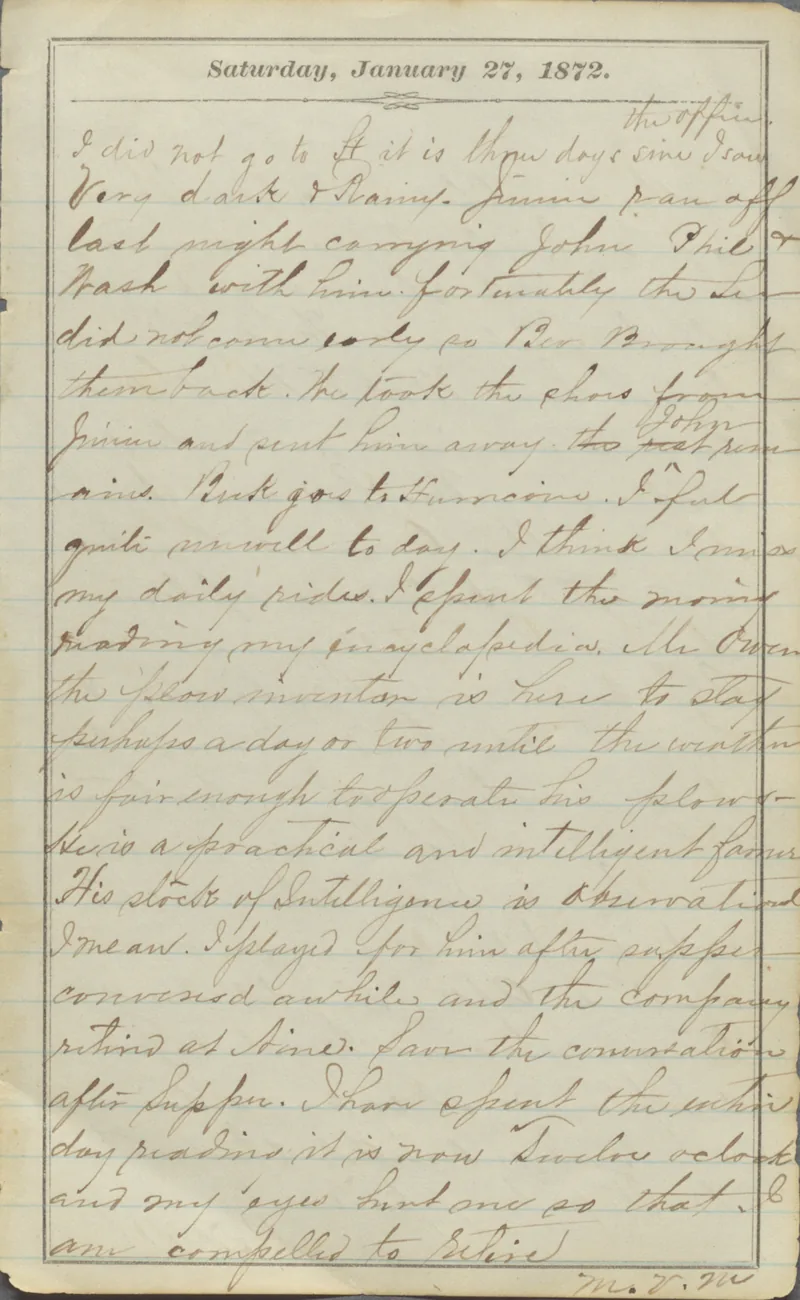
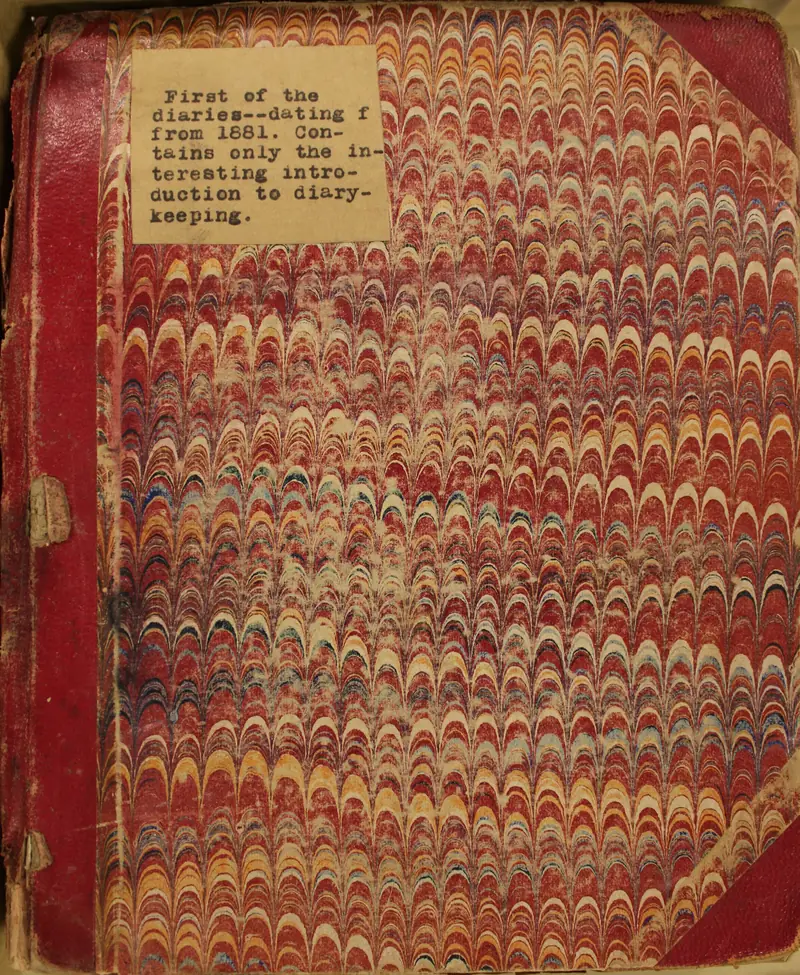
Each diary in the BWDP is scanned, transcribed, edited, encoded, and published on our site to invite deep engagement from researchers, students, descendant communities, and curious readers at all levels. The BWDP website provides an accessible entry point into these understudied diaries while preserving the integrity and specificity of the original manuscripts. We foreground the materiality of these manuscripts, with an image of the diary page appearing alongside each transcription. This dual view allows readers to encounter the diaries as physical objects, as well as readable, searchable text. Supplemental materials, like maps, timelines, and visual essays, situate each diary within broader archival, historical, and literary contexts.
03How It Began
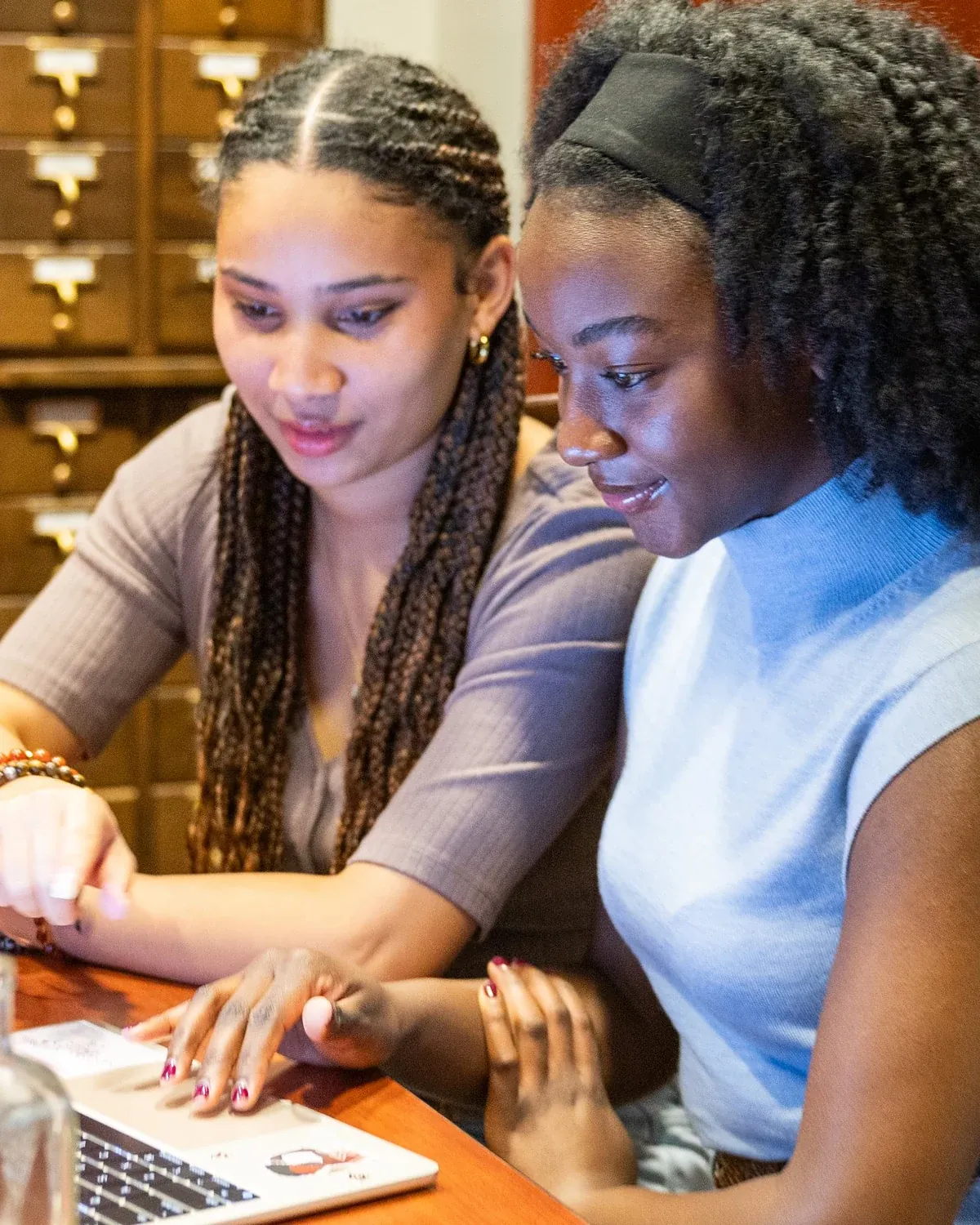
Founded by Jennifer Putzi (William & Mary) in 2024, and co-directed by Putzi and Kirsten Lee (Auburn University), the Black Women’s Diaries Project began with the 1872 diary of Mary Virginia Montgomery, which had been transcribed by Putzi’s “African American Women’s Diaries” class in the spring of 2022. As the William & Mary Libraries Faculty Scholar from 2024 to 2026, Putzi worked with Digital Humanities Lead and Instruction and Research Librarian Rachel Hogan to develop the project, broaden her skills, and create a recurring one-credit Digital Humanities Research Lab where students learn valuable skills that enable them to contribute to the project. The project was launched in November 2026 with the 1902 diary of Florence Stanton Barber.